
Introduction
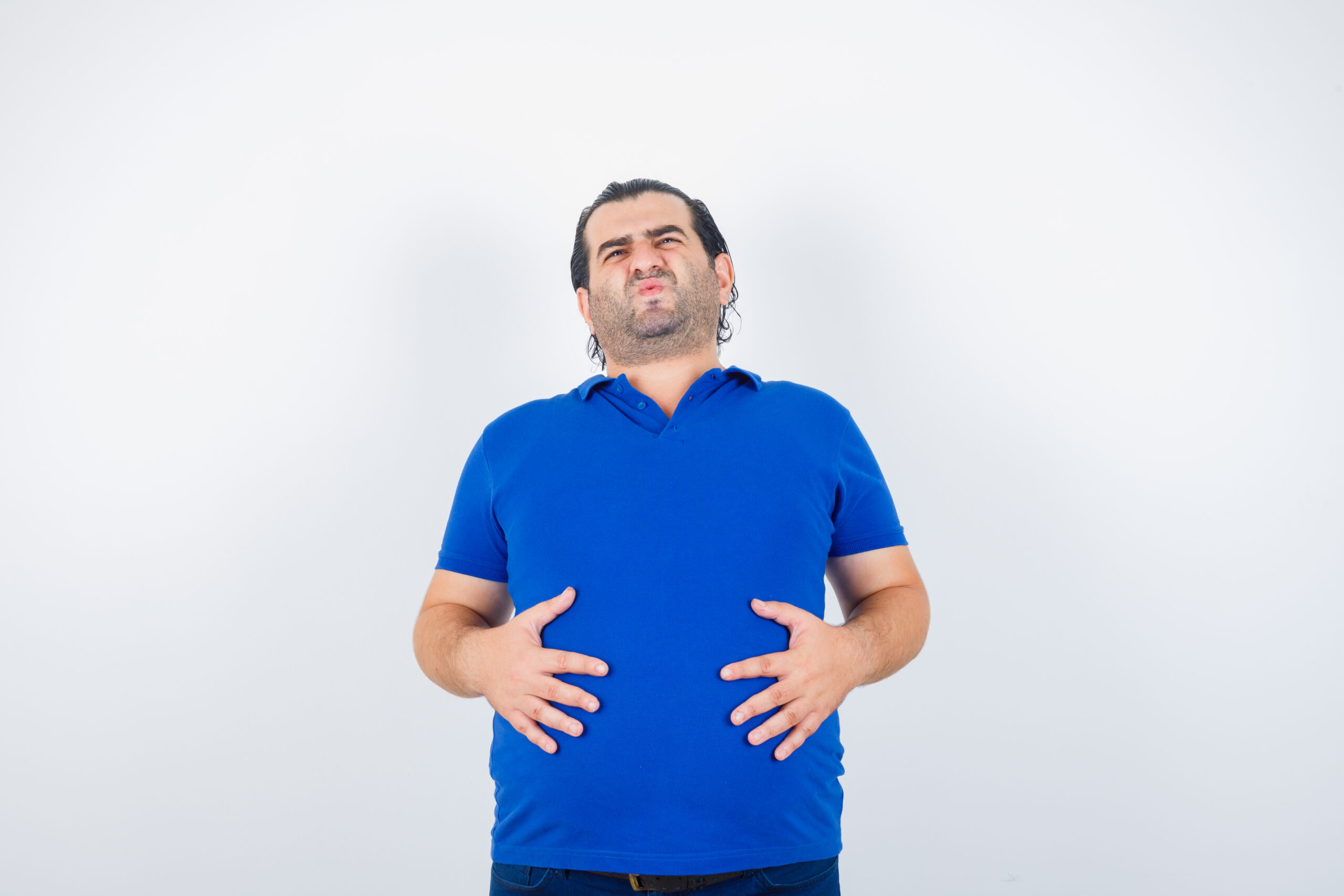
Unexplained bloating and weight loss can be worrying. These symptoms often point to changes in gut health. While many people feel bloated after eating, ongoing bloating with weight loss may signal a deeper issue. Because your gut is key to digestion, any problem can affect your whole body. Therefore, it is important to know the possible causes and when to seek help. In this blog, we will explore why these symptoms matter and what they could mean for your health.
What Are Unexplained Bloating and Weight Loss?
Bloating is a feeling of fullness or swelling in the belly. Sometimes, it comes with pain or discomfort. Unexplained weight loss means losing weight without trying. Both symptoms can happen together or alone. However, when they appear together, they may point to a problem in the gut. It is important to pay attention to these changes, as they can signal a health issue that needs care.
Common Gut-Related Causes
Many gut problems can cause both bloating and weight loss. Some common causes include:
Because these causes can be serious, it is wise to seek medical advice if symptoms persist.
Symptoms to Watch For
Besides bloating and weight loss, you may notice other signs. For example, you might have:
If you notice these symptoms, especially with ongoing bloating and weight loss, it is important to talk to a doctor. Early care can help prevent complications.
How Doctors Diagnose These Symptoms
Doctors use several steps to find the cause of unexplained bloating and weight loss. First, they ask about your symptoms and medical history. Next, they may do a physical exam. In addition, they might order tests, such as:
Because each person is different, your doctor will choose the best tests for you. Early diagnosis can lead to better treatment and recovery.
Treatment Options
Treatment depends on the cause of your symptoms. For example, if you have a food intolerance, avoiding certain foods may help. If an infection is found, doctors may prescribe medicine. In cases of IBD or celiac disease, special diets and medications are often needed. Sometimes, probiotics or fiber supplements can improve gut health. For more serious problems, like cancer, surgery or other treatments may be needed. Your doctor will guide you through the best options for your condition.
Lifestyle and Prevention Tips
Although not all causes can be prevented, some steps may help keep your gut healthy:
By following these tips, you may lower your risk of gut problems. However, always listen to your body and seek help if symptoms arise.
When to See a Doctor
If you have unexplained bloating and weight loss for more than two weeks, see a doctor. Also, seek help if you notice blood in your stool, severe pain, or ongoing vomiting. Early care can help find the cause and start the right treatment. Consult Guru Nanak Hospital for personalized advice from a gastroenterologist to protect your gut health and overall well-being.