
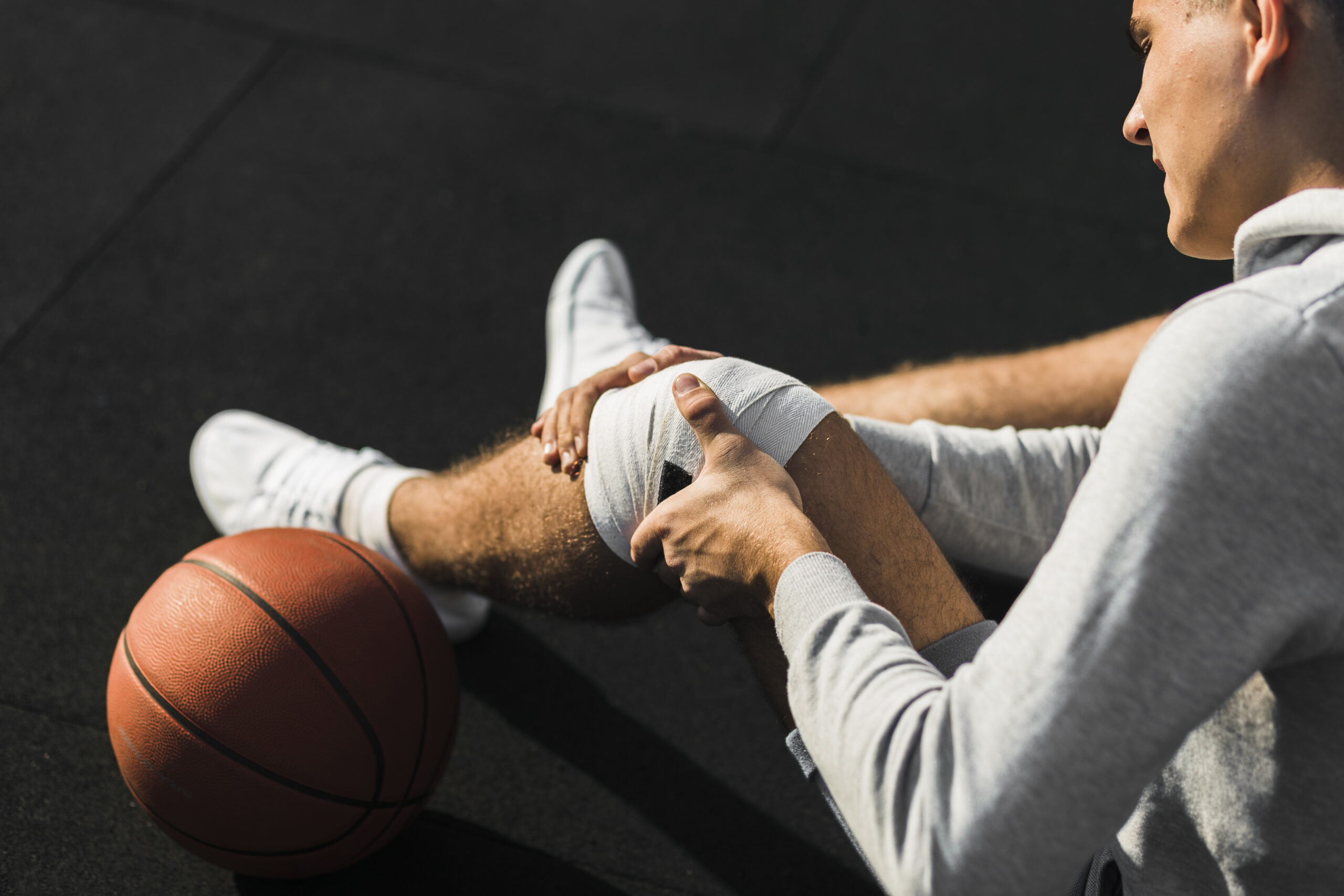
Sports and gym injuries are common among people of all ages. These injuries often affect the joints, such as knees, shoulders, and ankles. If not treated properly, they can lead to long-term joint damage. Because joint health is vital for movement, it is important to know how to prevent these injuries. In this blog, you will learn about common sports and gym injuries, their causes, symptoms, and how to prevent long-term joint damage.
Common Sports and Gym Injuries Affecting Joints
Many sports and gym injuries involve the joints. Some of the most frequent joint injuries include:
Causes and Risk Factors
Understanding the causes of sports and gym injuries can help you avoid them. Often, improper technique is a main reason for joint injuries. For example, lifting weights with poor form can strain your joints. In addition, overuse from repeating the same movement can wear down joint tissues. Skipping a proper warm-up also increases your risk. Furthermore, using poor or worn-out equipment can make injuries more likely. Age, previous injuries, and lack of flexibility are other risk factors.
Symptoms and Warning Signs
Recognizing symptoms early can prevent long-term joint damage. Common signs of joint injuries include:
If you notice numbness, severe pain, or cannot move the joint, seek help right away. These may be signs of serious injury or possible long-term damage.
Diagnosis and When to Seek Medical Help
Early diagnosis is key to preventing further joint damage. First, a doctor will ask about your symptoms and how the injury happened. They may check your joint for swelling, movement, and pain. Sometimes, X-rays or MRI scans are needed to see inside the joint. If pain, swelling, or weakness does not improve in a few days, it is important to see a doctor. Also, if you cannot move the joint or if it looks deformed, seek medical help right away. Early treatment can help avoid lasting problems.
Treatment Options
Treating sports and gym injuries depends on the type and severity. Common treatments include:
Always follow your doctor’s advice for the best recovery.
Prevention Strategies
Preventing joint injuries is easier than treating them. Here are some tips to keep your joints safe:
Lifestyle Guidance for Joint Health
Maintaining joint health is important for everyone, not just athletes. For example, keeping a healthy weight reduces stress on your joints. In addition, regular low-impact activities like swimming or cycling can keep joints flexible. It also helps to avoid sudden, intense movements. If you have had a joint injury before, consider working with a physical therapist. They can guide you on safe exercises. Remember, taking care of your joints now can prevent problems later.
Frequently Asked Questions
Can I exercise with a mild joint injury?
If you have mild pain or swelling, rest the joint first. Once symptoms improve, start with gentle movements. However, if pain returns, stop and seek advice from a doctor.
How long does it take for joint injuries to heal?
Healing time depends on the injury. Minor sprains may heal in a few days, while ligament tears can take weeks or months. Always follow your doctor’s recovery plan.
What should I do if I hear a pop in my joint during exercise?
If you hear a pop and feel pain, stop the activity right away. Apply ice and rest the joint. If pain or swelling is severe, see a doctor as soon as possible.
Conclusion and Call-to-Action
In summary, sports and gym injuries can lead to long-term joint damage if not managed properly. By understanding the causes, symptoms, and prevention strategies, you can protect your joints and stay active. Consult Guru Nanak Hospital for personalized advice and care from an orthopedic specialist. Your joint health is worth it.