
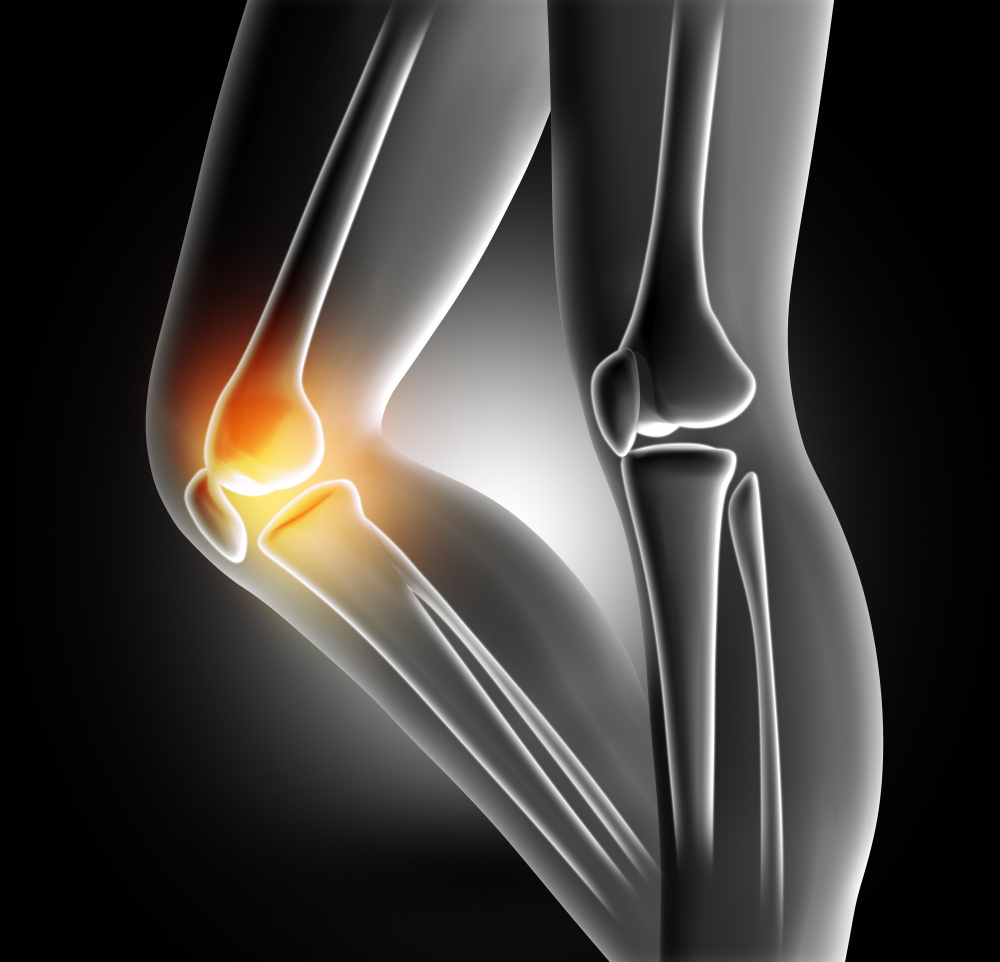
What is a Meniscus Tear?
A meniscus tear is a common knee injury. The meniscus is a piece of cartilage in your knee. It acts like a cushion between your thigh bone and shin bone. When this cartilage gets damaged, it is called a meniscus tear. Many people experience knee pain, swelling, or trouble moving the knee after this injury. Sometimes, the tear happens during sports or daily activities. Because the meniscus helps protect your knee, any damage can cause discomfort and limit movement.
Causes of Meniscus Tear
There are several reasons why a meniscus tear may occur. Often, a sudden twist or turn of the knee can cause this injury. However, it can also happen slowly over time. For example, older adults may get a tear from wear and tear. Here are some common causes:
In addition, people who play sports like soccer or basketball are at higher risk. But, anyone can get a meniscus tear, even during simple daily tasks.
Common Symptoms
Recognizing the signs of a meniscus injury is important. Early treatment can help prevent further damage. Some symptoms appear right after the injury, while others may develop later. Common symptoms include:
However, not everyone will have all these symptoms. If you notice any of these signs, it is wise to seek medical advice.
Diagnosis Methods
Doctors use several ways to diagnose a meniscus tear. First, they will ask about your symptoms and how the injury happened. Next, they will examine your knee for swelling, tenderness, or movement problems. Sometimes, special tests are needed. These may include:
With these tests, your doctor can confirm if you have a meniscus tear and decide on the best treatment.
Treatment Options
Treatment for a meniscus tear depends on the size and location of the tear. Your age, activity level, and overall health also matter. Many people ask, “How to treat a meniscus tear?” Here are some common options:
Most minor tears heal with rest and therapy. However, larger or more severe tears may need surgery. Meniscus tear recovery time varies, but many people return to normal activities within a few weeks to months. Always follow your doctor’s advice for the best results.
Prevention Tips
Although not all meniscus tears can be prevented, you can lower your risk. Here are some helpful tips:
By following these steps, you can help protect your knees and avoid injury.
When to See a Doctor
Sometimes, knee pain goes away with rest. However, you should see a doctor if:
Early treatment can prevent further damage and speed up recovery. If you are looking for meniscus tear treatment in your area, search for a trusted healthcare provider.
Conclusion
In summary, a meniscus tear is a common knee injury that can cause pain and limit movement. With the right care, most people recover well. If you suspect a meniscus tear, consult at Guru Nanak Hospital for personalized advice.